

Emilia Kabakov
Emilia Kabakov
“Venice Biennale Portrait” is a series of interviews conceived and conducted by Mara Sartore, introducing some of the most anticipated figures in the contemporary art scene on the occasion of the 61st International Art Exhibition – La Biennale di Venezia. The series began before the inauguration of “In Minor Keys” under the title “Awaiting Venice Biennale 2026”. In both its phases, collectors, curators, artists, and directors engage in conversations exploring their roles, upcoming projects, and their relationship with Venice.
In this conversation Emilia Kabakov reflects on the vision behind Diario veneziano, a project by Ilya Kabakov and Emilia Kabakov that invites the citizens of Venice to contribute to the creation of a collective exhibition. Curated by Cesare Biasini Selvaggi and Giulia Abate, and presented at Ca’ Tron (IUAV) from 9 May to 28 June 2026, the project is organised by BAM with the patronage of the Comune di Venezia. Developed in the spirit of the Kabakovs’ long-standing exploration of narrative and collective memory, Diario veneziano proposes an evolving portrait of the city, shaped by the stories, experiences and perspectives of those who live in and care for Venice.
There is still time to participate in the “Diario veneziano” project; further information is available at this link.
MS – Emilia, you have been returning to Venice for many years through your artistic career. What is your first memory of the city?
EK – A lot of water… (she laughs) I first came here in 1992, just before exhibiting “The Red Pavilion” with Ilya at the 1993 Venice Biennale. At that time it was still the Soviet Union, or just at the moment of transition. It was a very different time. It was exactly the moment when Perestroika had just begun. And our “Red Pavilion” was built on that idea. The country was under restoration. Everything was changing. There was scaffolding everywhere, paint everywhere. And somewhere in the backyard of Arsenale there was “The Red Pavilion”, the Soviet Union. And maybe someday it will find the moment to return.
MS – Given your past experience representing the former Soviet Union at the Venice Biennale, what do you think about Russia’s participation this year?
EK – It is a very complicated question. Whatever answer I give will be wrong for one side or the other. What I can say is that cultural connections should be preserved, no matter what. Too often we leave these matters to diplomats, and diplomacy does not always succeed. That is why it is important for artists, cultural workers and events like the Venice Biennale – which has a long tradition of international dialogue – to keep these connections alive. This has always been the spirit of the Biennale: to welcome everyone, regardless of country, continent, race or gender. That is Venice, the Republic of Venice. Of course, there are situations in which countries may be restricted, particularly when wars are involved. But if we start excluding countries because of conflicts, we would end up excluding many of them.
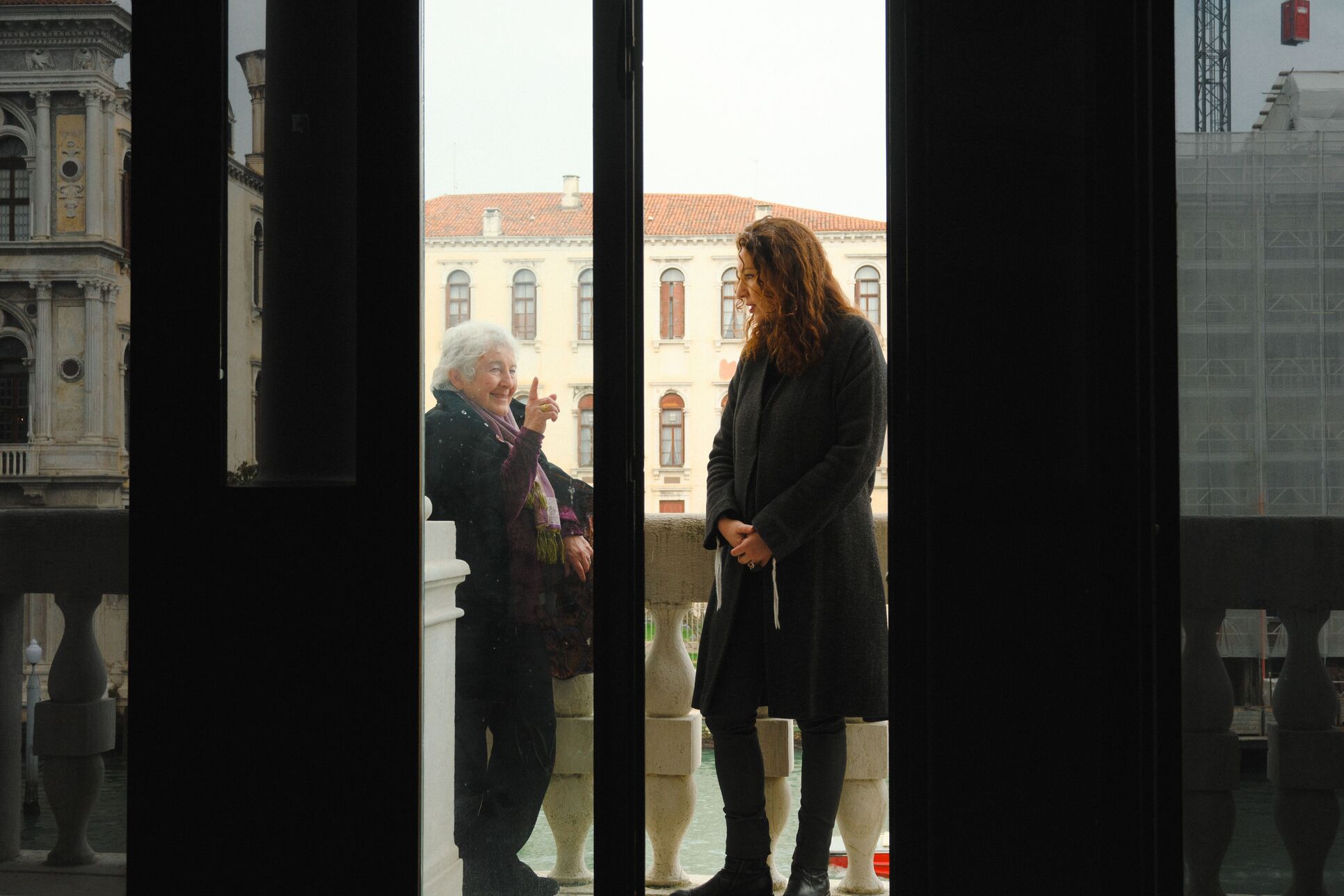
MS – In the work that you and Ilya developed together over many years, the lives of anonymous people often became the protagonists of large installations, narrating the history of the Soviet Union and everyday life. In “Venetian Diary” you are presenting a project that began with Ilya many years ago. You did something similar in Ghent, in Belgium, around 1993. Could you tell us how this project started, and how it has evolved to arrive in Venice today, now that Ilya is no longer with us?
EK – The project was started by Jan Hoet and Bart De Baere, who was his curator at that time. Right after the exhibition in Ghent we became very close, and Jan decided to continue this project, while Bart actually ran it. They asked the people of Ghent to bring their favourite objects. It wasn’t about what you like aesthetically, it wasn’t about the city or the community. People brought objects, and we suggested that maybe it would be better if they also brought the story behind them. It had to be personal. The whole exhibition was based on artists doing something with the objects. Ilya and I decided to focus on personal stories and personal objects. Other artists worked differently: some made wooden copies of the objects, another threw them into a black hole, others, honestly, I don’t even remember what they did. For us, it wasn’t so much about the objects themselves but about the stories. We made it personal because of the stories, not because of the objects. And it wasn’t artists changing the objects and creating their own works, it was the people of Ghent telling their stories. And our part of the exhibition was the one that had the most visitors.
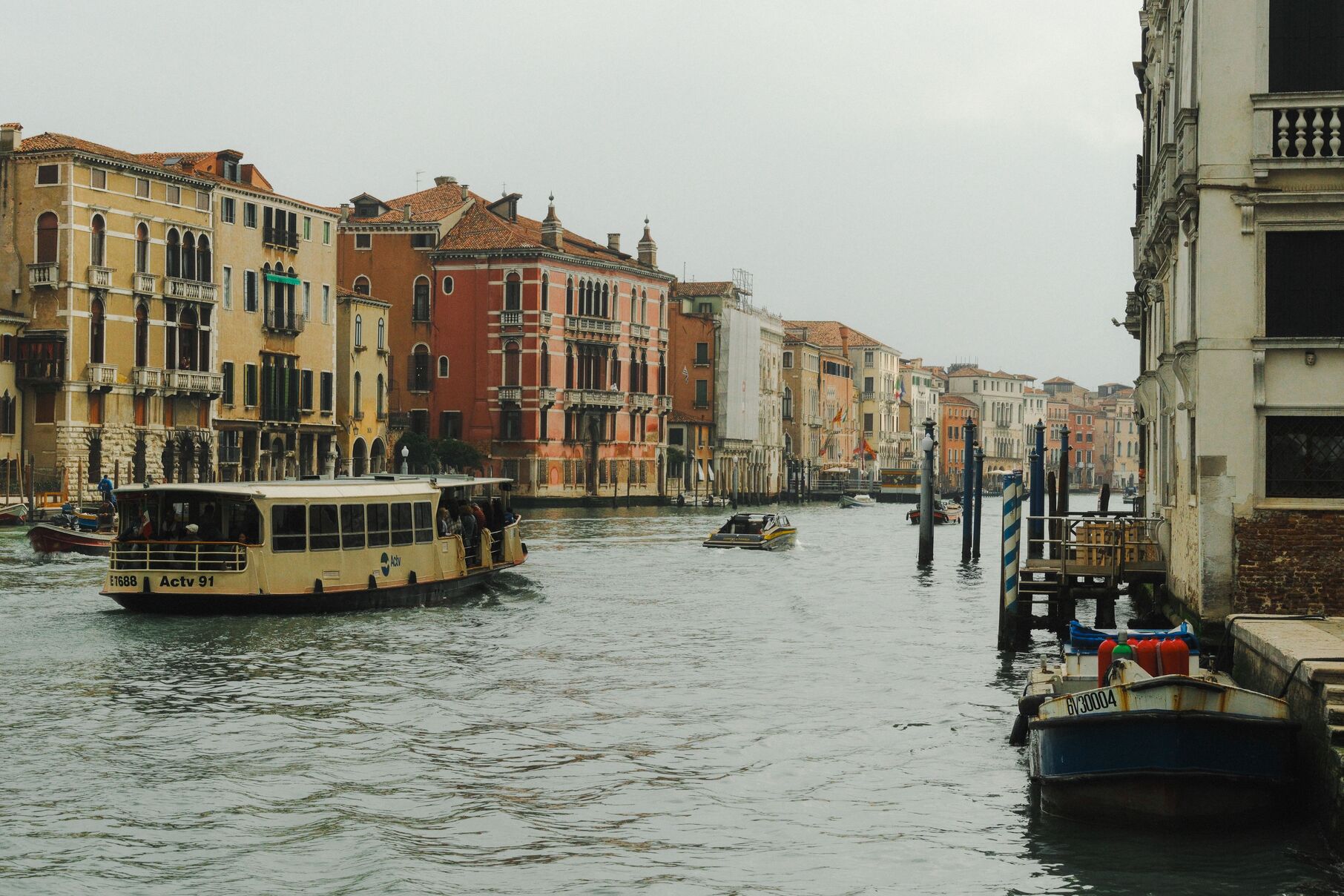
When I started thinking about Venice, my idea was this: Venice is a republic. Venice is the first republic. Venice is a community. Many people come here and live here, but there are also people who have lived here for centuries – not just hundreds of years, but centuries. What is so important about Venice? Why Venice? It is a very difficult city. It is underwater. It is not easy to reach. Today we have planes, but before it was water and water and water. And yet Marco Polo left from here to discover the world. The map started here. Not many people know this, but for me it is an extraordinary discovery. Another very significant quality of Venice is that it welcomes people. Yes, I know tourists can be difficult. Many locals complain about tourism. But tourism is also part of the life of the city. Venice depends on Venetians, but it also depends on tourists. The most beautiful and important Biennale is here: art, cinema, architecture. And none of it would be possible without people. So why not ask people to tell the story of their life in Venice, their love for Venice, and why they live here? People from all walks of life. It doesn’t matter whether they are famous or not. In fact I prefer ordinary Venetians. Famous people – and artists as well – already have many opportunities to talk about themselves. But when artists come here, they depend on the people of Venice. We eat in restaurants and trattorias, we move through the city, we work here. We take boats through the canals. For example, at my age I cannot walk so much anymore, so I think about these things all the time. We artists work at the Biennale, and the Biennale would not exist without Venetians. Of course it is about artists, about their egos, their creations, films, architecture, politics – you just asked me a political question. But before everything else, it is about something more moving, something that brings people together.
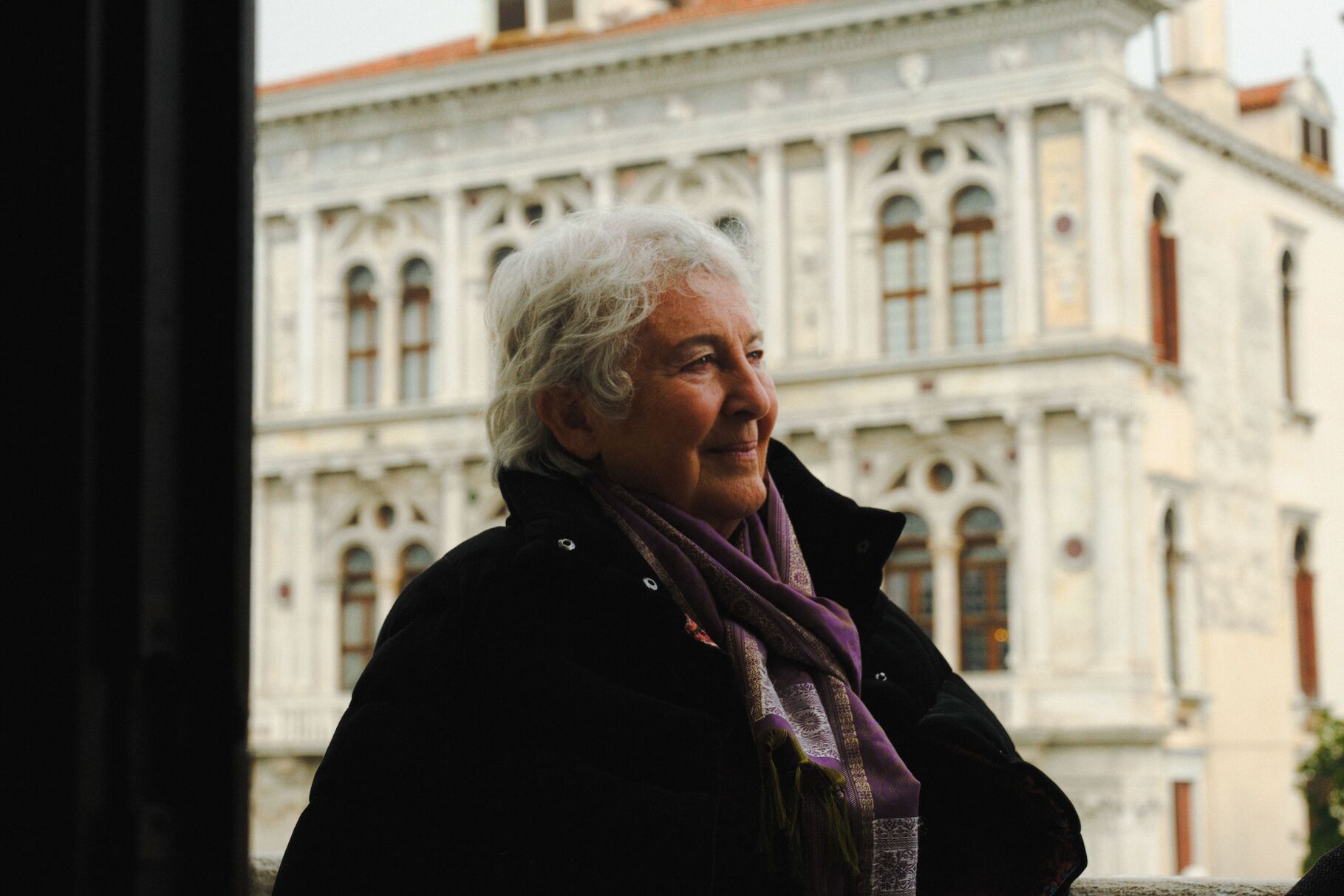
MS – We are now talking in Ca’ Tron, which will be one of the venues of the exhibition. Your aim is to collect nearly 500 objects from Venetians, people who have lived here for centuries, others who arrived more recently, and even people who have never been here but dream of coming. During your presentation the other day at Bea Vita (bistrot in Cannaregio), you explained very beautifully why people should bring an object. Could you tell us again why you think Venetians should participate in this project?
EK – It is not really about the object. It is about the story. We give people the possibility to talk about themselves, to explain their world and why they are here in Venice. They could live in other cities, bigger cities, easier cities, cities with better transportation. But they stay here. They stayed because their parents were here. Because they want to build their lives here. Because they love Venice. Venice inspires them. People come here from all over the world and are welcomed by Venetians. It is a very close community; every close community has problems, and Venice is not different. But somehow, for centuries, people have overcome those problems and remained connected. They do not fall apart.
MS – What do you expect from the outcome of this exhibition?
EK – I want to show the world that when you come to this city – whether you are a tourist, an artist, a celebrity, or simply a visitor – you must respect the people who live and work here. Without them, there is no city. Without them, there is no Venice. And I also want Venetians to understand that people come here because they recognise the value of this city. Venetians are unique – as a people, as a city, and as a community.
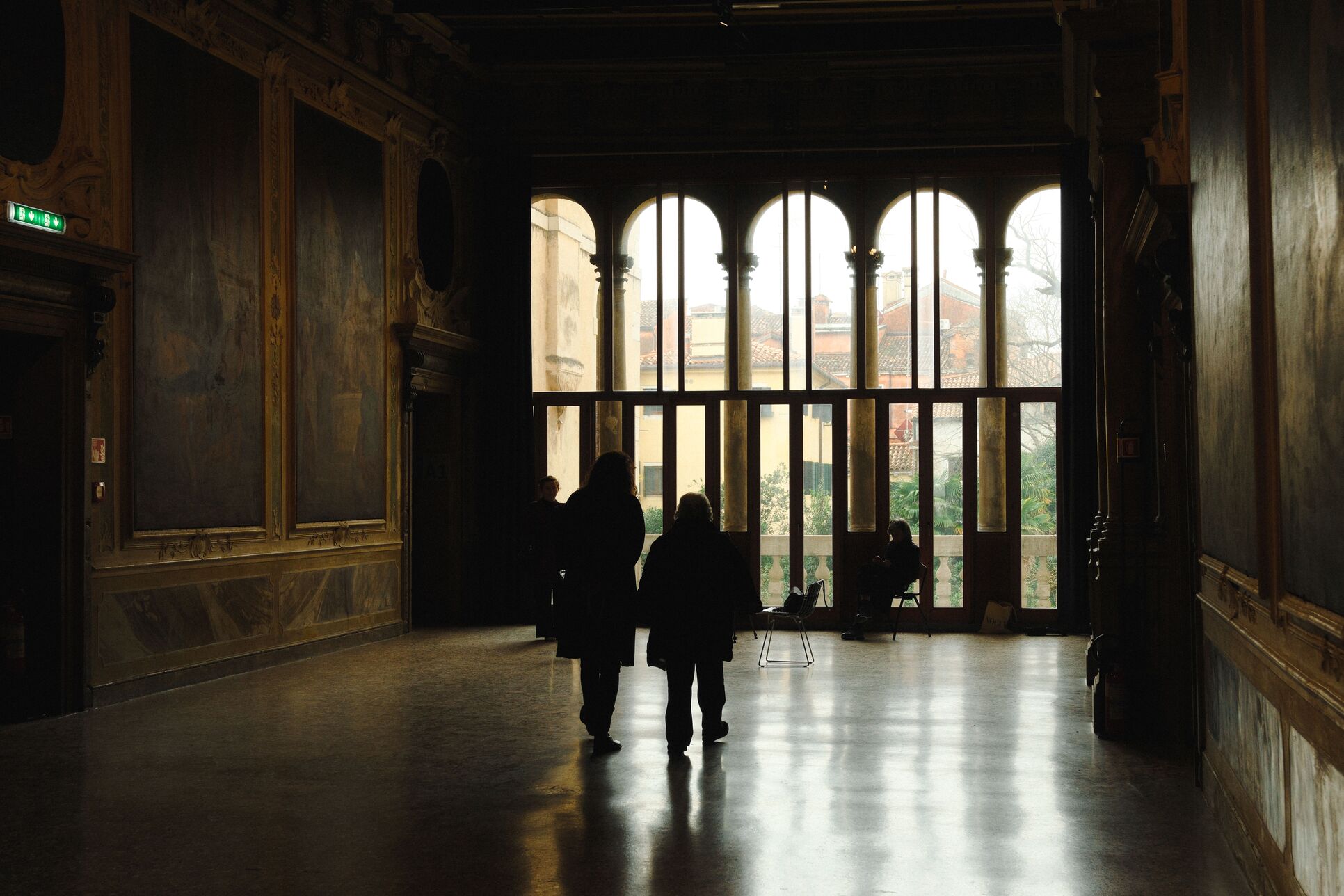
MS – So would you say that “Venetian Diary”, in a way, is a collective artwork dedicated to the city of Venice, almost an homage to a place you love so much?
EK – It is a tribute to the people of Venice. It gives them the possibility to speak, to express themselves, because they bring something that is culturally important to them or to their family, something that tells a personal story, a family story, or a story about their connection to the city. That is one of the criteria. For example, someone might have fallen in love in Venice and brought the first flower their lover gave them. It may be dried now, but it still carries the memory of Venice because it happened here. Or perhaps it is the memory of their first ride on a vaporetto, or on a boat, or even in a gondola.
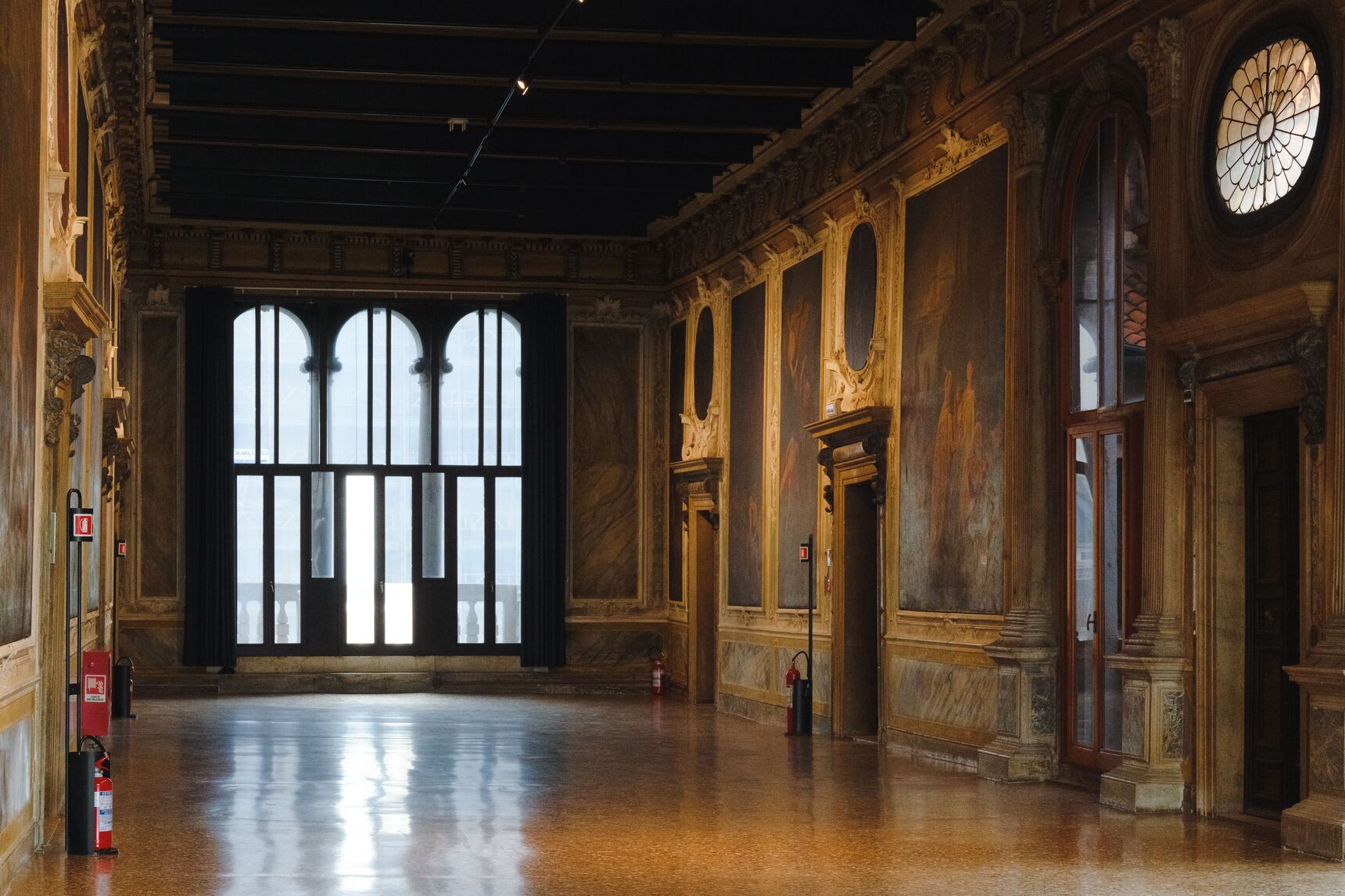
MS – Have you already started to look at the objects you are collecting?
EK – I have collected a few objects already, because some people were very eager to bring them to me when we first met and to tell me their story right away. And I would say, “I’m listening to the story, thank you very much. But the object – could you please give it to someone else? I cannot carry objects, I live in New York”. And they say, “Oh, okay… but can you at least listen to my story?”. Some of the stories were very moving and very interesting, although of course I won’t disclose them now.
MS – Will visitors be able to read the stories you are collecting?
EK – Absolutely, that’s a very important part of the project. The object by itself is anonymous. But with the story, it becomes part of the person who brought it and part of the public consciousness of the people who live in Venice.
MS – You are asking people to bring an object that represents their relationship with Venice. If it were you bringing an object, what would you bring? Are you bringing one yourself?
EK – I would bring a memory of Venice, and of my husband, because we spent a lot of time here together. We walked through the streets dreaming about Venice, talking about Venice, about the culture, the beautiful churches, the paintings we saw here, and the people we worked with. That was mostly my part, meeting people. And we were in love. We were in love with each other. We were in love with our work. We were in love with Venice.
MS – I would also like to talk about a couple of other projects you realised in Venice, since you have been exhibiting here since 1993. You returned twice to Fondazione Querini Stampalia: first with the exhibition “Where Is Our Place?”, created with your husband Ilya, and more recently with the homage dedicated to him in 2024 titled “Between Heaven and Earth”. In “Where Is Our Place?” the role of the viewer was very central, the spectator was constantly invited to question what to look at, the sculpture, the paintings, almost repositioning their role within the exhibition space, while the artist seemed to step back. Do you see a parallel with “Venetian Diary”? And how is your artistic research evolving today, now that Ilya is no longer with us?
EK – We conceived and developed our projects together. I know Venice very well because, in many cases, I was the one who met people in the city, spoke with them, organised and gathered the materials. So I have many different experiences of Venice, and if I include a story or an object in this project, it will also become part of my own story of the city.
We realised several important projects here. One of the most significant was “Not Everybody Will Be Taken Into the Future” at the Venice Biennale. That work was about art and about the idea of the future. It shows a train leaving for the future. An artist arrives with his work to place it on the train, but he is too late. Many of us – not only artists, but people, creative people, even countries – want to be taken into the future. Nobody wants to disappear. When we have children, it is also our hope to continue into the future through them. We teach them how to live in the future and how to build a better one. It is the same with politicians, and really with everyone. Everyone wants to be taken into the future. Even today in Russia someone mentioned our work during a government speech, saying: as Kabakov said, not everybody will be taken into the future. So people are still thinking about this idea. What are we doing today? How will the future look at us? Where is our place, the next one? Where is our place today? Where are we?
We have to look at the past. We cannot forget the past, because culture is there. If we lose culture, if we lose the memory of the past, then who are we? This is what makes us human: our memory of culture and our ability to project that culture into the future. So we have three levels of this consciousness. One is when we are sitting and looking at the world of Lilliput, a miniature world, and we are much bigger than it. The second level is photography. It represents our world. Today it could also be computers or telephones, but it is still our world, the world we recognise ourselves in. And then there are the Baroque paintings. Through them we look at the past. In those paintings there are these huge figures, and we often see only the lower part of them. Compared to us they are enormous. They seem to reach towards us. They are huge, and perhaps they see something – maybe part of the past that we do not see, or perhaps even the future of those paintings, which we also cannot see. So where is our place? On the floor, under the floor, on the same level where we stand now, or somewhere we cannot reach? That question is important not only for the past but also for today.
For me, good art is when you walk into an exhibition and you think, “Okay, interesting… maybe… I don’t know.” Then you leave, and the work stays with you for the rest of your life. That is enough, because it provokes you to think. It is not just “wow, this is fantastic”, and then you move on to the next thing. With this kind of work the “wow” comes later.
MS – Right now Venice is going through an important political moment, because at the end of May there will be the election of a new mayor, and many people keep repeating the same narrative: that fewer and fewer people live here, that everyone is leaving. But I have the feeling that many people are also arriving. I would like to change this narrative and say that even if Venice is an ancient city, sometimes treated almost like a kind of Disneyland, there are still many people living here. And we should recognise and preserve that. I was immediately enthusiastic when I learned about your project, because it really underlines that people are still living here and that they are precious to the city. For me, “Venetian Diary” feels almost like a love poem to Venice.
EK – We often become very involved in politics and worry about many things. But one thing we keep forgetting is that politicians come and go, the people of Venice stay. Some leave, some come back, and some people arrive here and decide to live here. For example, the other day we were walking around the city and went for lunch. I asked, “Who is the owner?”. The owner is from Asia. I asked her how she ended up here, and she said, “I love Venice, so I came here and bought this restaurant”. It’s a small trattoria, very local, not really for tourists, but for people who live here. While we were there someone celebrated a birthday, and suddenly the whole restaurant started clapping and the owner brought wine for everyone. That is Venice.
So I asked her if she would like to participate in the project. She told me she had studied history and now runs this restaurant. She could have opened a Chinese or Japanese restaurant – or something from her own culture – but instead she opened a Venetian restaurant. She came here fifteen years ago and bought it. She was the first woman to own that restaurant – before that it had always belonged to a man. Stories like this are everywhere. When you talk to people they are very open. They love Venice. It is their home. And today, when so many people are moving around the world because of wars, conflicts and climate change, it is very important to know that there are still communities where you are welcomed. And that is Venice.


