

Robbie Fitzpatrick on the Art Market and the Making of Basel Social Club
Robbie Fitzpatrick
Mara Sartore – Looking at the art world today – from galleries and museums to biennials and art fairs – what do you think this moment reveals about the state of the contemporary art ecosystem?
Robbie Fitzpatrick – The ups and downs of the market, changing trends… it’s so obvious that we’re in trouble.
What’s so crazy to me is that the art world is supposed to be a space for experimentation and openness – and of course that should be inherent to what art is. Yet the art world is incredibly conservative in its obsession with definitions and structures. A gallery looks like this. An art fair has to look like this. A museum is structured in a certain way. A biennial has another structure. There has been very little adaptation of these models, whereas other industries have evolved and embraced change.
Fashion is a good example. Runway shows became immersive, experimental, theatrical. Fashion embraced new formats. The art world, on the other hand, doubled down on the same model. Today there is an art fair in almost every city, and they all look exactly the same. Sometimes they’re bigger, sometimes smaller. The galleries change, but essentially it’s always the same format.
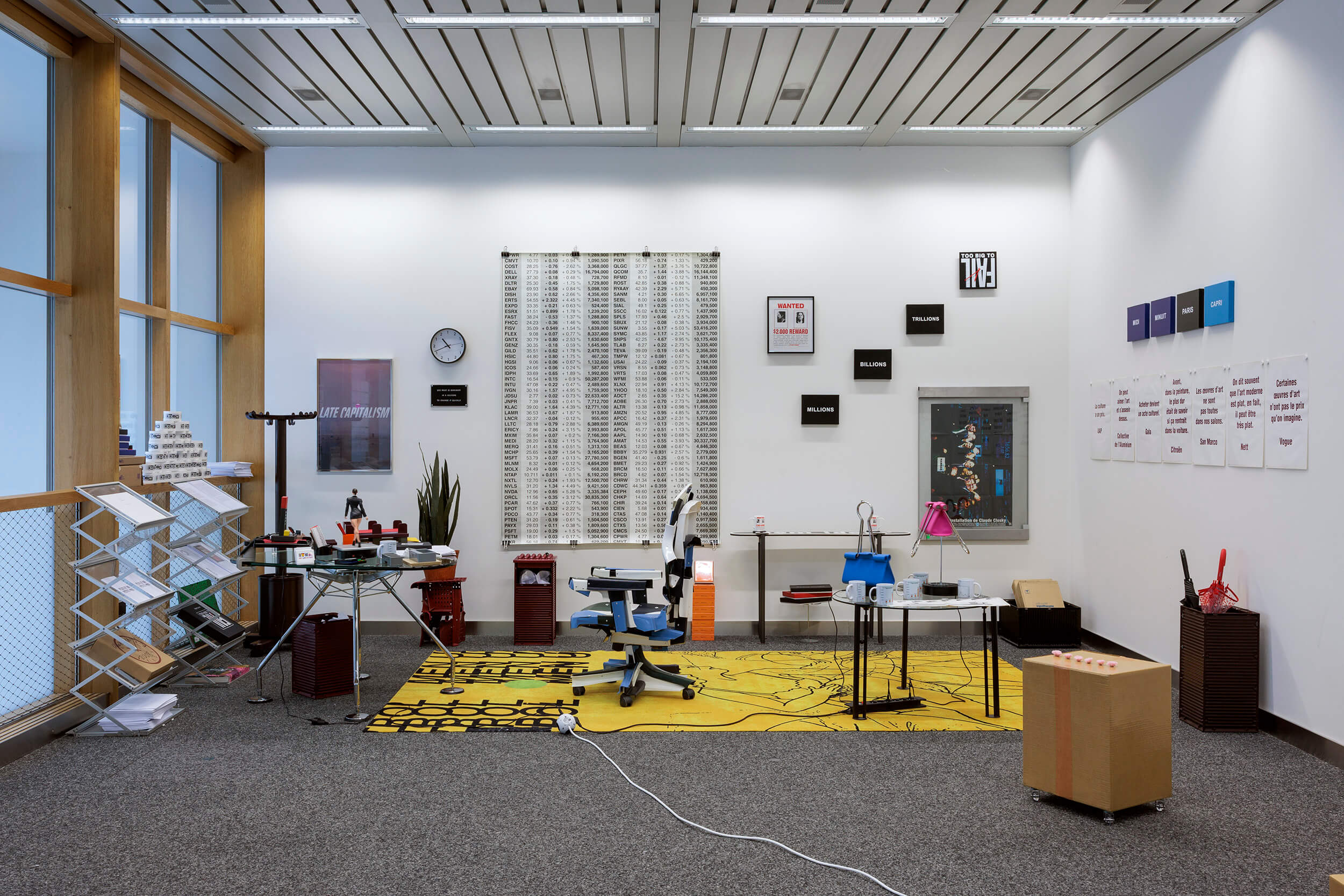
MS – You travel constantly and experience art fairs around the world. Do you think the art fair model has become disconnected from the identity of the places that host it?
RF – Absolutely. What strikes me is how little these fairs adapt to the cities in which they take place. A city like Milan, with its extraordinary culture, design history and identity, ends up hosting a fair that looks almost identical to one in Madrid, Singapore or elsewhere. They all look the same.
The art world is full of people who believe that preserving the existing order is the solution – that we simply need to survive this crisis and eventually return to the old models. But what we’re actually witnessing is the collapse of those assumptions. Museums are struggling. Galleries are struggling. The art fair model itself is struggling. As a business model, it no longer really works.
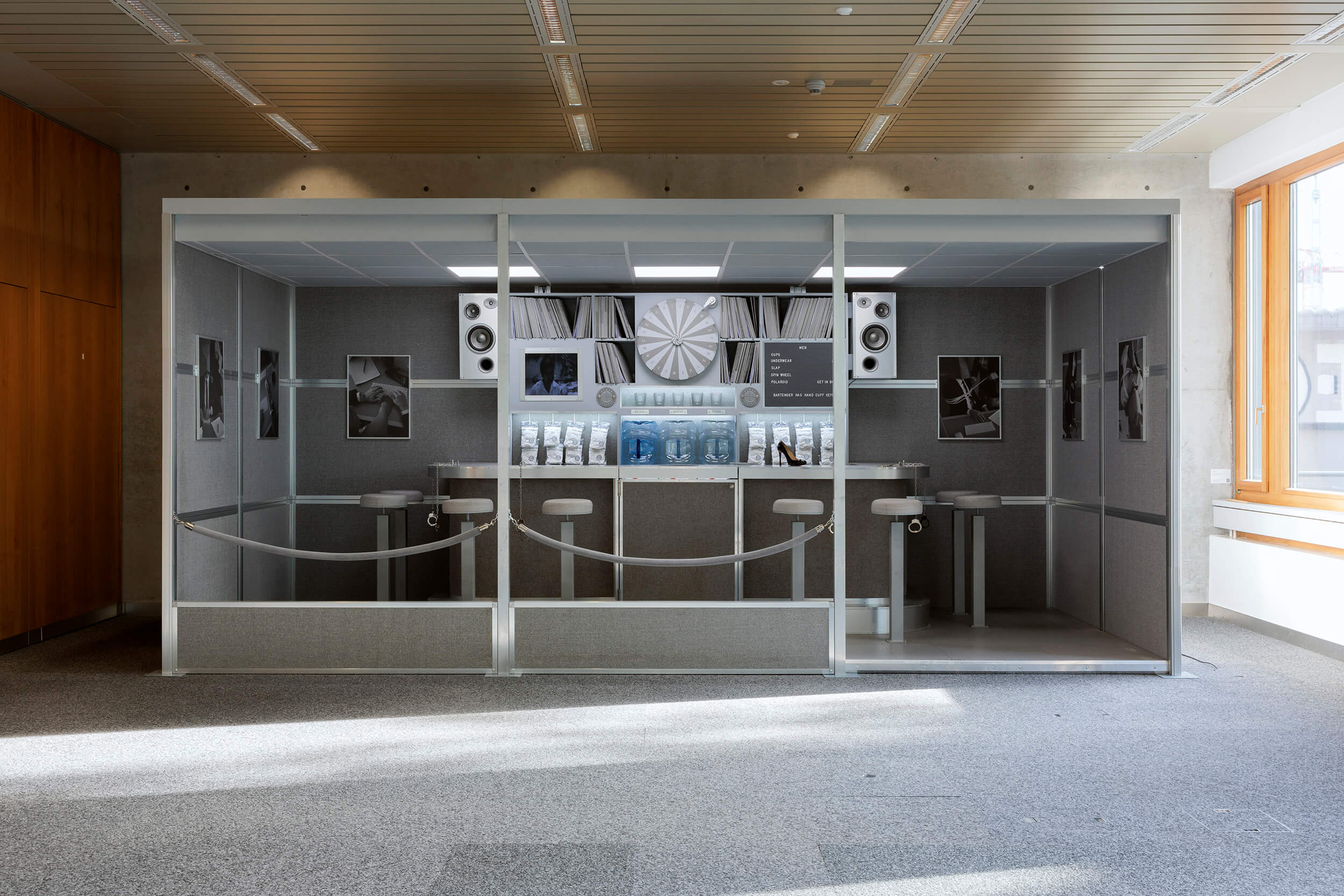
MS – And yet many fairs are trying to reinvent themselves. What do you think is missing from those attempts?
RF – Art fairs are trying to transform themselves into lifestyle brands, but in my opinion they are doing it rather clumsily. They’re trying to attract a new generation of collectors, who don’t feel comfortable in a convention center. They find them intimidating, difficult to penetrate and fundamentally exclusionary.
There’s an entire generation emerging through one of the greatest wealth transfers in history – young entrepreneurs who made their fortunes in technology and other industries. Many of them don’t want to spend their time walking through conventional art fairs. They would rather spend significant amounts of money on meaningful experiences.
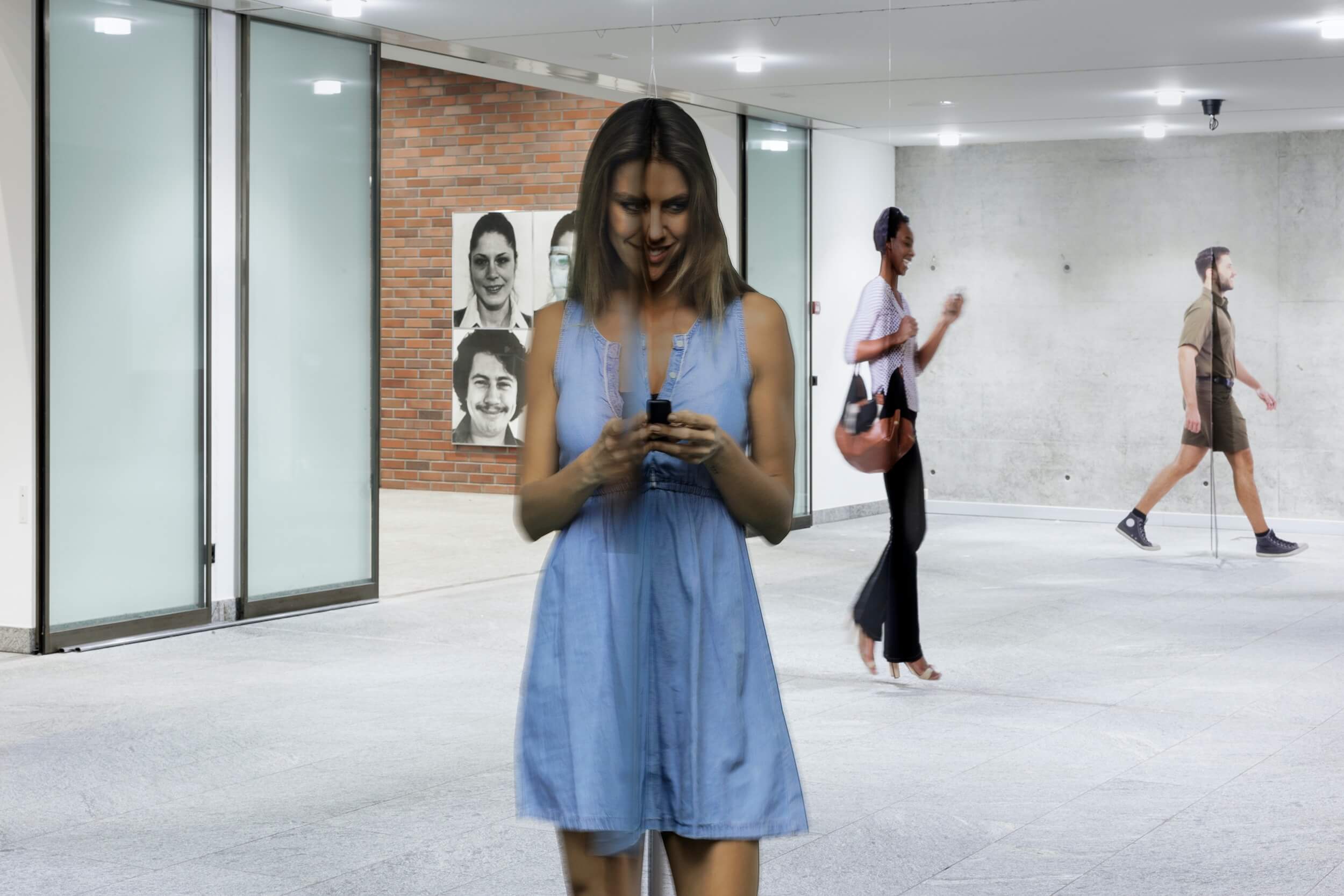
MS – So perhaps the issue is not a lack of interest in art, but a change in what people expect from cultural experiences?
RF – Exactly. What our broken system has not yet understood is that audiences want experiences. And when I say audiences, I don’t just mean the general public. I mean collectors, curators, museum directors and patrons. People want to be taken on a journey. The exhibitions you remember are the ones that take you outside of yourself. They tell a story. They transport you somewhere.
When you spend the day moving from one white cube to another, seeing painting exhibition after painting exhibition in essentially identical spaces, very little remains in your memory.
I’m not saying that what we’re doing is necessarily the solution. But it’s something we’ve been reflecting on deeply. People are happy here. They’re having a good time. And the reason is simple: first and foremost, we’re providing a memorable experience.
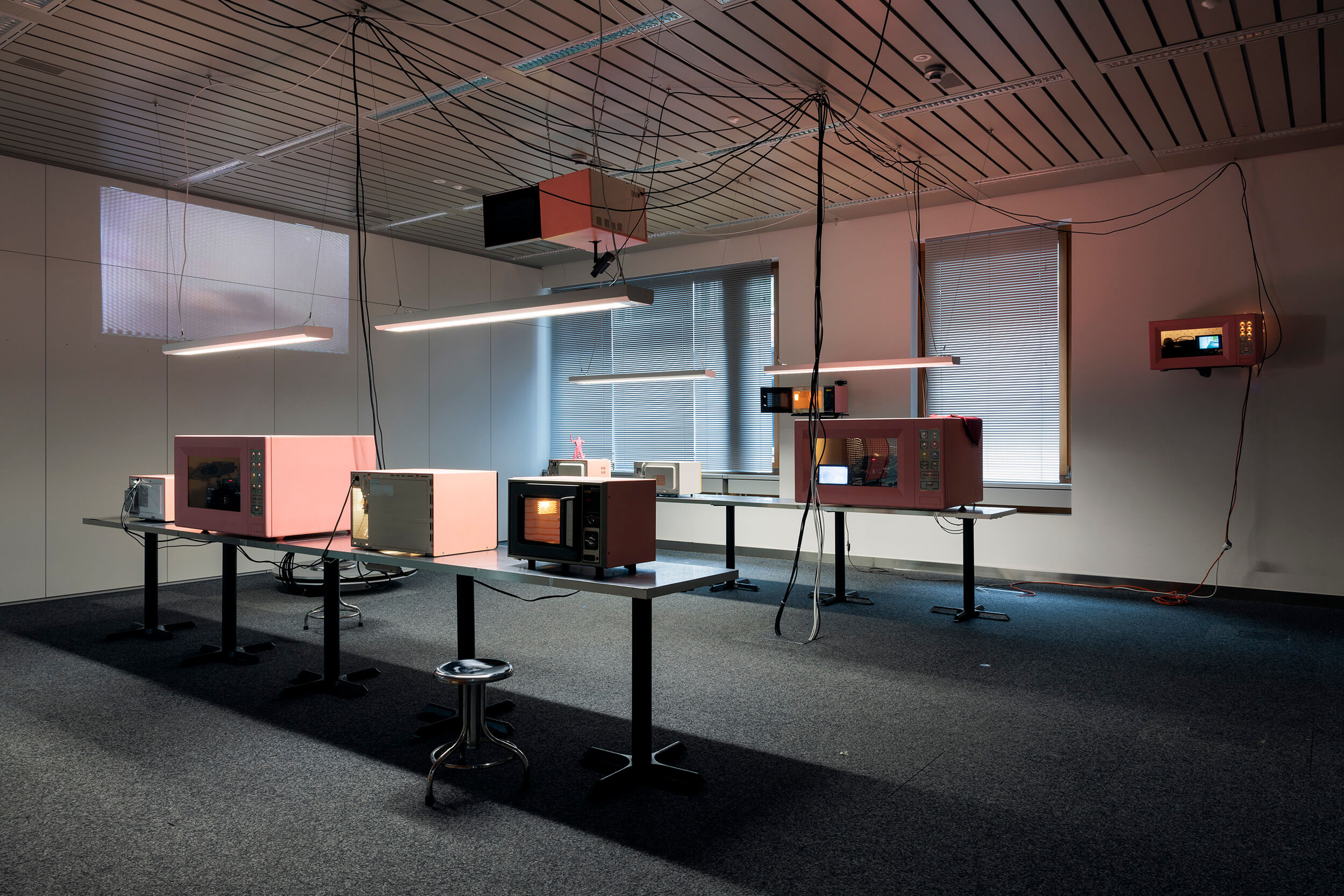
MS – We were actually looking for something like this for many years. I’d like to go back to the beginning. You were there from the very start, conceiving Basel Social Club. How did it come into being, and who are the people behind it?
RF – We all came together at the right time. I come to this, of course, as a gallerist frustrated by the system. Even when our gallery was doing Art Basel, I felt trapped inside this structure and this committee-driven system. At a certain point I thought: okay, I can keep applying to fairs and waiting for acceptance – or I can simply say, fuck it, and do my own thing.
What Basel was missing at that time, around 2022, was a place where people from the art world could genuinely spend time together. Coming to Basel could be surprisingly challenging. There were a few good restaurants, maybe one good hotel, and a handful of bars, but there weren’t many options for a real social space to hang out, especially during the day. Campari Bar used to be one of the few places where people from the art world met, but that’s no longer the case. So I thought that perhaps what I could contribute was a space for social conviviality.
Then there is Hannah Weinberger, one of the artists I represent, who is based in Basel. Her practice revolves around installation, sound and video. She radically transforms spaces and takes her audience on a journey. Her work is fundamentally about social experimentation. For me, Hannah is really at the core of why this works. She is visionary in the way she conceives how sound and moving image can occupy a space. Having worked together for so many years, as gallerist and artist, we understand each other intuitively.
Then there is Yael Salomonowitz, who comes from performance and has radically transformed the landscape of performance art through her curatorial platform, The Performance Agency. She oversees the performance programme, but she is also integral to the dramaturgy of the whole project.
So the three of us are at the core of the artistic vision. Of course, we also have a great team. It’s a relatively small team, but an incredibly talented group of people. Everyone contributes their voice. There is no way that one single vision could realise something of this scale. There are over five hundred artists, around one hundred and sixty exhibitors, and approximately 150 performers. We all work together. It is truly a collective project.
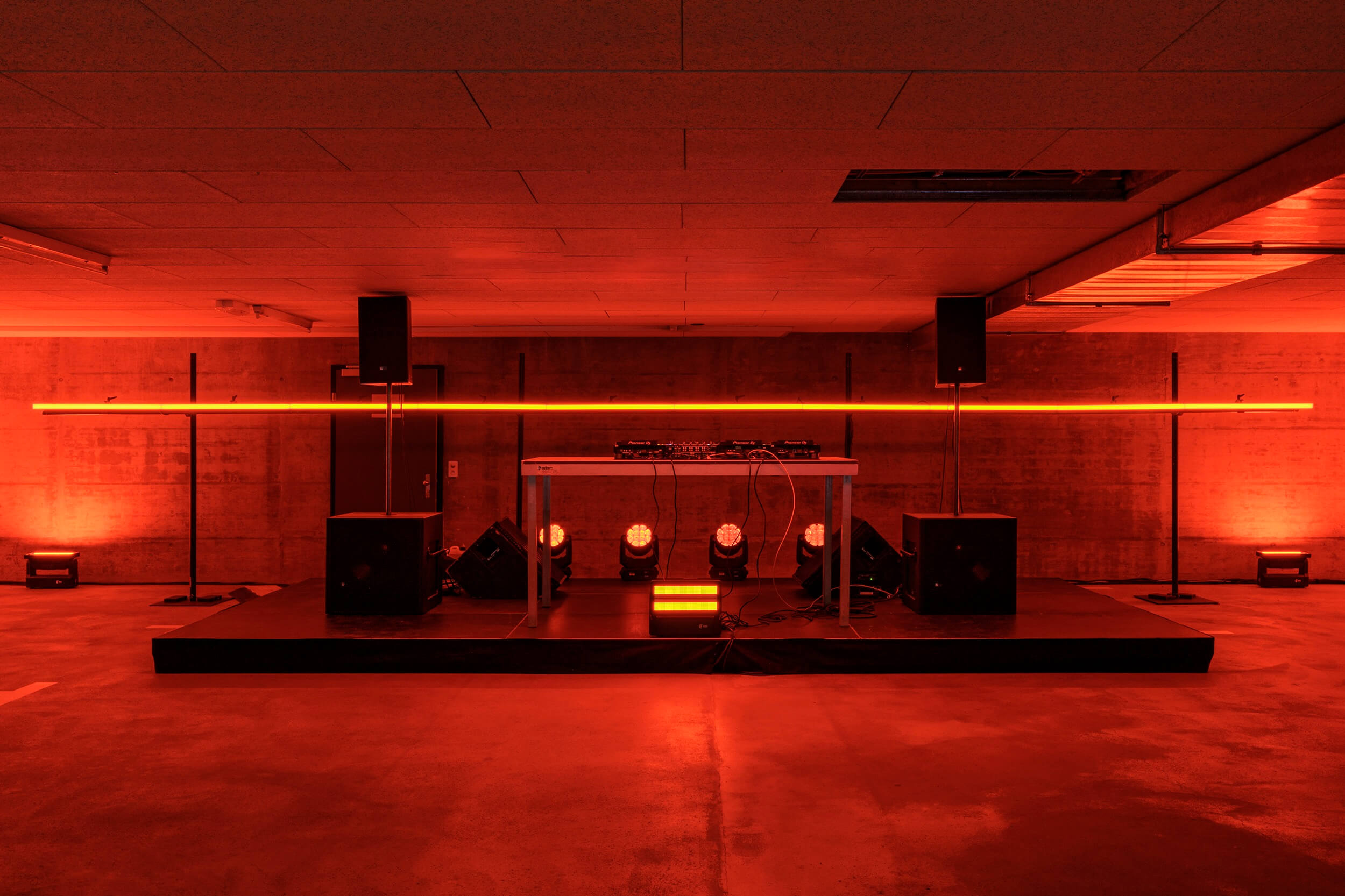
MS – Much of what we’ve discussed stems from your experience as a gallerist. Has this reflection also changed the way you think about the gallery itself? In a moment when traditional formats are being questioned, how do you imagine the role of the gallery evolving?
RF – Absolutely. It has made me much more aware of how limited the gallery model can be, if we simply accept it as a fixed structure. At its core, what does a gallery do? It represents artists, it stages exhibitions, and it sells art. Those things are still incredibly important, but none of them necessarily requires a fixed space. A gallery doesn’t have to be a white cube with exhibitions changing every six weeks, a back room, a booth at a fair, and a mailing list. That model is too narrow for what artists need today, and also for what audiences are looking for.
For me, the gallery has to become more porous. It has to be able to move between different contexts and formats. The important thing is not to abandon the gallery, but to expand what the gallery can do.
I also think galleries need to rethink their responsibility toward artists. It cannot only be about selling objects or placing works in collections, even though of course that remains part of the work. A gallery should be a structure of support, a producer of possibilities. It should help artists imagine contexts in which their work can live fully. That might be in a museum, in a collection, in a fair, but it might also be in a completely different type of social or spatial situation.
And this is also connected to something I’ve been saying to artists recently, which is that they cannot rely only on art sales to make a living. That model is too precarious. If they sell work, amazing – that’s a bonus. But they can’t continue to structure their lives and their spending around the risky possibility that a dealer might make a sale. That’s not sustainable.
At the same time, I don’t think the answer is simply that artists should take a day job that has nothing to do with their practice. The question is how the studio itself can evolve. I think the studio has to become more like a factory for creative ideas – a place where artists can package their creativity in different ways for collectors, institutions, brands, patrons, and other potential clients. Not everything has to be reduced to the mercantile exchange of an object from an artist to a buyer.
That, to me, is part of the future role of the gallery as well. The gallery should help artists think through these possibilities. It should not only wait for someone to buy a painting or a sculpture. It should help create new contexts, new forms of patronage, new collaborations and new economies around artistic practice.
So yes, Basel Social Club has definitely changed how I think about the gallery. It reminded me that the gallery should not be afraid of a potential risk. It should not just protect a market position. It should create conditions for experimentation. In a way, I think the future of the gallery depends on whether galleries can become more generous, more flexible, and more alive.
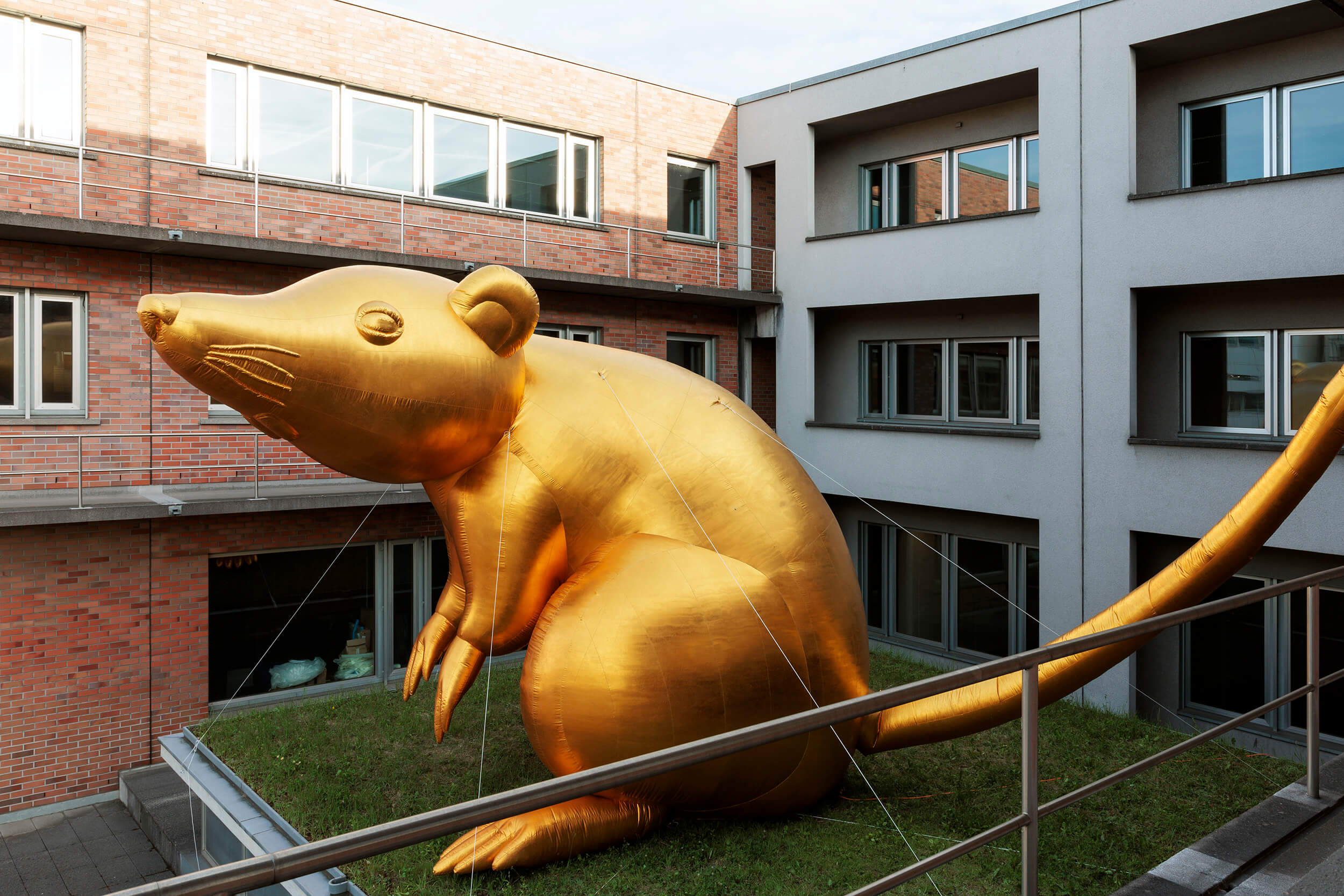
MS – Basel Social Club has grown organically over the past few years, yet it still feels remarkably open-ended. Looking ahead, what would you like the project to become? Are there directions, formats or contexts that you’re particularly interested in exploring in the future?
RF – The fact that it remains open-ended is very important to us. Basel Social Club does have certain tenets that define it structurally: it is a social space for art, combining an exhibition, a performance programme, gastronomy, and a very particular approach to hospitality. Those elements are important. They shape the project’s identity. But beyond that, there are no rules — and because there are no rules, we can constantly break them.
That freedom is essential. The moment Basel Social Club becomes a fixed formula, it risks becoming exactly the thing it was created in response to. So the challenge is how to allow it to grow without making it rigid. How do we keep the energy, the generosity, the chaos, the pleasure, while also building something that can sustain itself?
We are interested in Basel Social Club as a platform rather than simply as an event. Basel is its origin, and that context is essential, but the ideas behind it could exist in other places and in other forms, too. Not by copying and pasting the model into another city — that would be the wrong approach — but by asking what a specific place needs, who is there, what kind of energy already exists, and how we might create a situation around that.
We are particularly interested in formats that bring art closer to lived experience. Situations where performance, sound, food, architecture, landscape, conversation and social life can coexist with artworks in a way that feels natural rather than forced. We don’t want it to become entertainment, and we don’t want it to become another fair. But there is a lot of space between those things — between the commercial, the experimental, the social and the curatorial.
Looking ahead, we would like Basel Social Club to remain a place of possibility. A place where artists can try things that don’t fit elsewhere, where galleries can participate without simply reproducing a booth, and where audiences can encounter art in a way that feels memorable and human. If we can keep that spirit while allowing the project to evolve, then it can become something much larger than a temporary event. It can become a way of thinking about how the art world might gather differently.


