

Semantics of the Heart: Being with Chiara Camoni
Chiara Camoni
“Venice Biennale Portrait” is a series of interviews conceived and conducted by Mara Sartore, introducing some of the most anticipated figures in the contemporary art scene on the occasion of the 61st International Art Exhibition – La Biennale di Venezia. The series began before the inauguration of “In Minor Keys” under the title “Awaiting Venice Biennale 2026”. In both its phases, collectors, curators, artists, and directors engage in conversations exploring their roles, upcoming projects, and their relationship with Venice.
Leading Italian artist working with sculpture and ceramics made from found and natural materials, blending art, craft, and collaboration, Chiara Camoni represents Italy at the 61st International Art Exhibition of La Biennale di Venezia. Mara Sartore met Chiara Camoni and her team at the Società delle Api venue in Campo Santo Stefano, the Venetian site that served as a working studio for Camoni in the months leading up to the Biennale.
MS – “Con te con tutto” (“With You, With Everything”) is a title that feels both intimate and collective. Could you tell us how it emerged, and what “being with” means to you today?
CC – “Con te, con tutto” is an opening toward the other, understood as a human being, but more broadly toward everything that exists beyond oneself, in reference to the world that surrounds us: mineral, vegetal, and animal. It is an attempt to reconnect with an empathetic attitude toward the world.
MS – As the first woman to represent Italy at the Biennale with a solo exhibition, your project nevertheless unfolds through a choral dimension – bringing together works by artists from different generations, alongside your own. I’d like to explore this further: how did you build this network of dialogues with works by other artists?
CC – I would say that both dimensions coexist, because we never abandoned the idea of a “solo show”. Our proposal was quite direct. At the same time, we were not intimidated by the scale of the space, partly because we had already worked in large institutional contexts, and partly because I have developed an approach to monumentality that does not rely on heroic gestures or overwhelming the space. Instead, it moves toward a form of monumentality that could be described as more feminine, operating through precision and intensity of gestures and intentions. I often say that my works have a high specific gravity, even when they remain within a human scale. A small work can still hold a large space if it is sufficiently charged. For me, it is never a question of size or quantity, but of intensity.
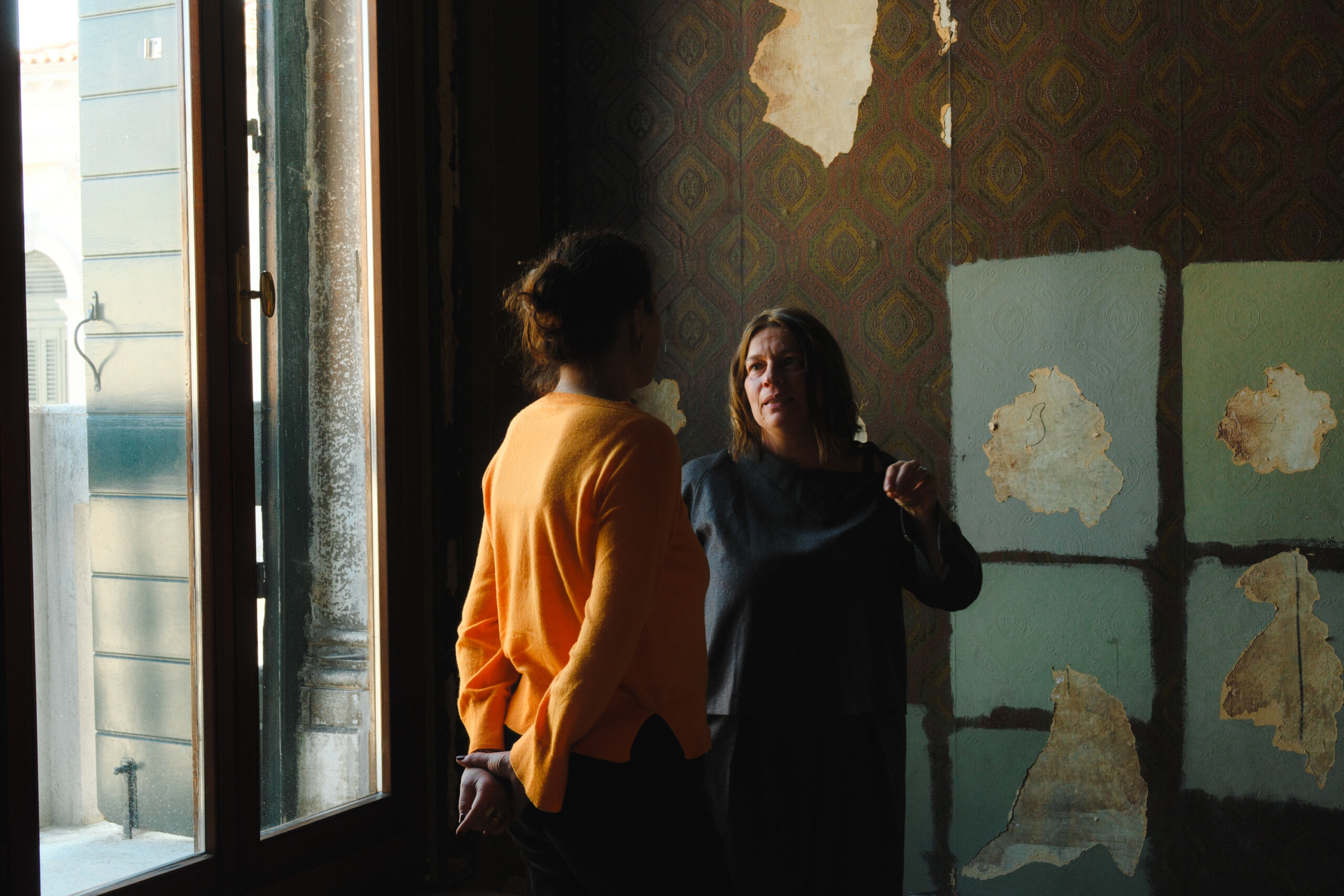
MS – This intensity and capacity to create connections and relational constellations might also be understood as a specifically feminine approach. Do you recognise yourself in this perspective?
CC – This “feminine” attitude may stem from familiarity with working with others, connected to practices that have historically belonged to us: sitting around a table, working horizontally, bringing together different levels. We are accustomed to working while holding together the domestic and family sphere. This creates overlapping planes that are often kept separate. What began as necessity became a source of strength and pride.
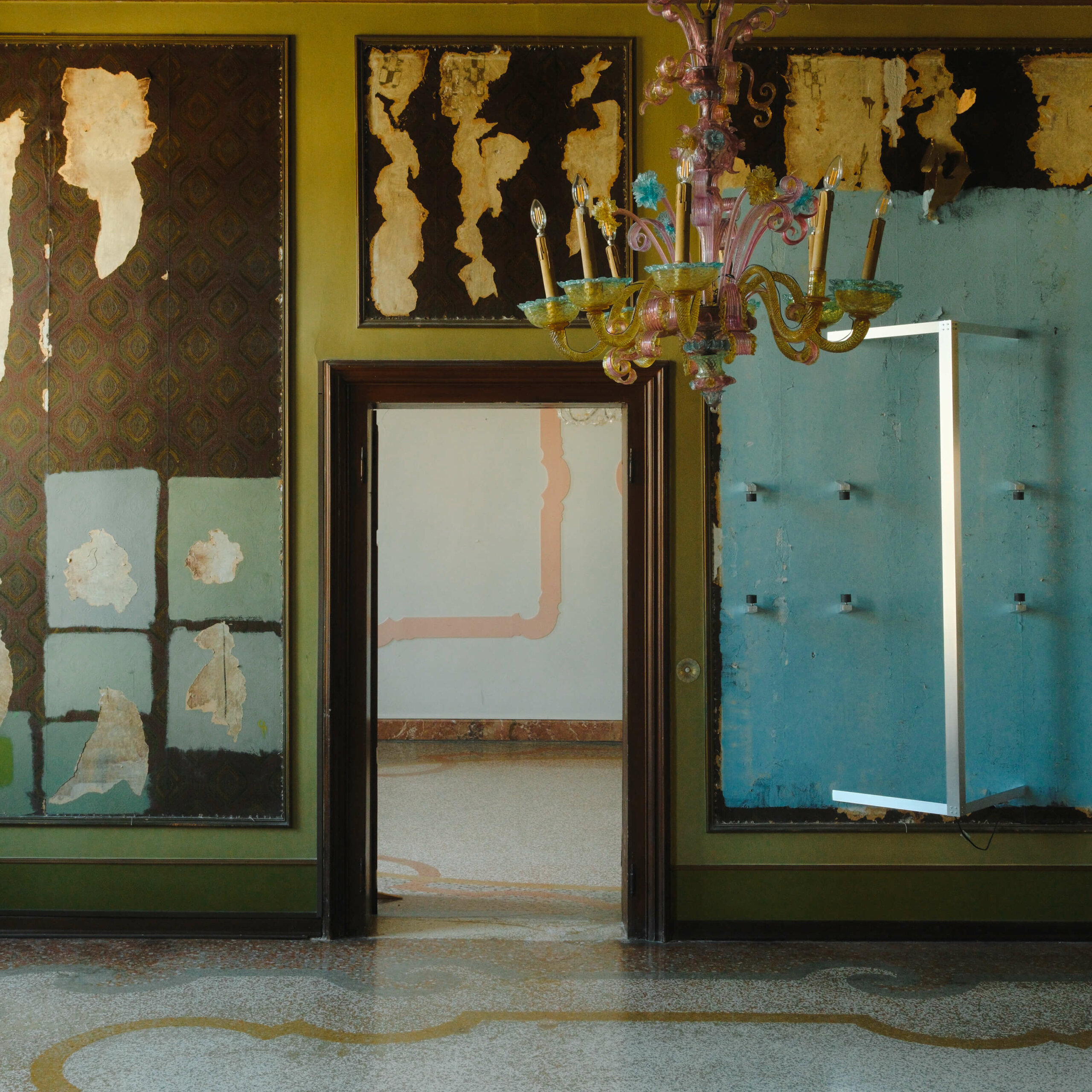
MS – How does the overlap between professional and domestic spheres shape your way of working, especially in the Pavilion?
CC – It is a form of reclaiming: working in institutional contexts without losing a more domestic, subterranean dimension. This capacity to welcome, even where it is not customary, is intrinsic to our approach. This year there is debate around the absence of Italian artists, and our Pavilion includes a section called “Dialogues”, with historical and contemporary artists, especially Italian artists I feel close to. There is no intention of representing a scene, but rather relationships based on proximity and affection. I call this a “semantics of the heart”. My first collaborative work was with my grandmother, then children, neighbours, and later other artists. Over time, authorship has opened up. Some works even host other works. It is as if certain works become devices of hospitality. More recently, I think less about dialogue between artists and more about dialogue between works: what happens when one sculpture looks at another? What space emerges between them?
There is a work in the Pavilion that began with two fragile bowls by Fausto Melotti. I created a two-metre-high figure holding them in its hands. They are not in a display case but held by another sculpture, creating a different kind of relationship. The work becomes a subject existing in the world alongside us.
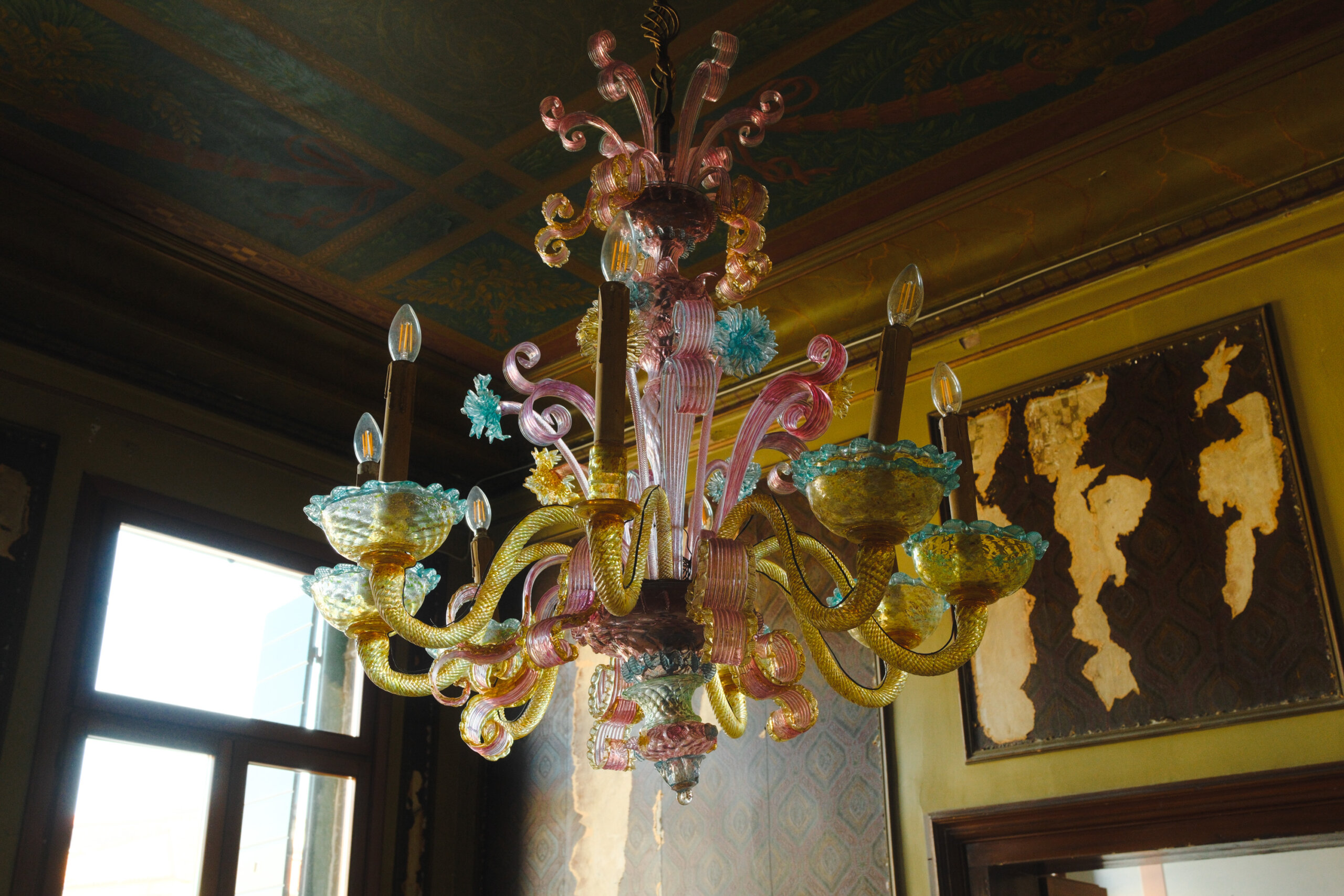
MS – The Pavilion unfolds across different spaces. How did you conceive this structure?
CC – There are three spaces, including the garden. Each has a distinct rhythm. The first is a suspended half-light, a forest of figures where trees, columns, and bodies merge. The second is more architectural and symmetrical; sculpture becomes inhabitable, with benches and openness to duration. Windows and doors connect to the garden, introducing a temporal dimension of everyday life and seasonal change. The garden becomes a breathing space where the work extends outward.
MS – You collaborated with a film director and a choreographer. How did that happen?
CC – There were elective affinities. We wanted to bring living bodies into the space through a video and a performance. It is a gaze that starts from afar but speaks of the present. The past contains mechanisms that help us understand today. Ivan Illich said he studied the Middle Ages to create distance from his own culture. I think this is a good way to look at ourselves today, when certainties are fragile.
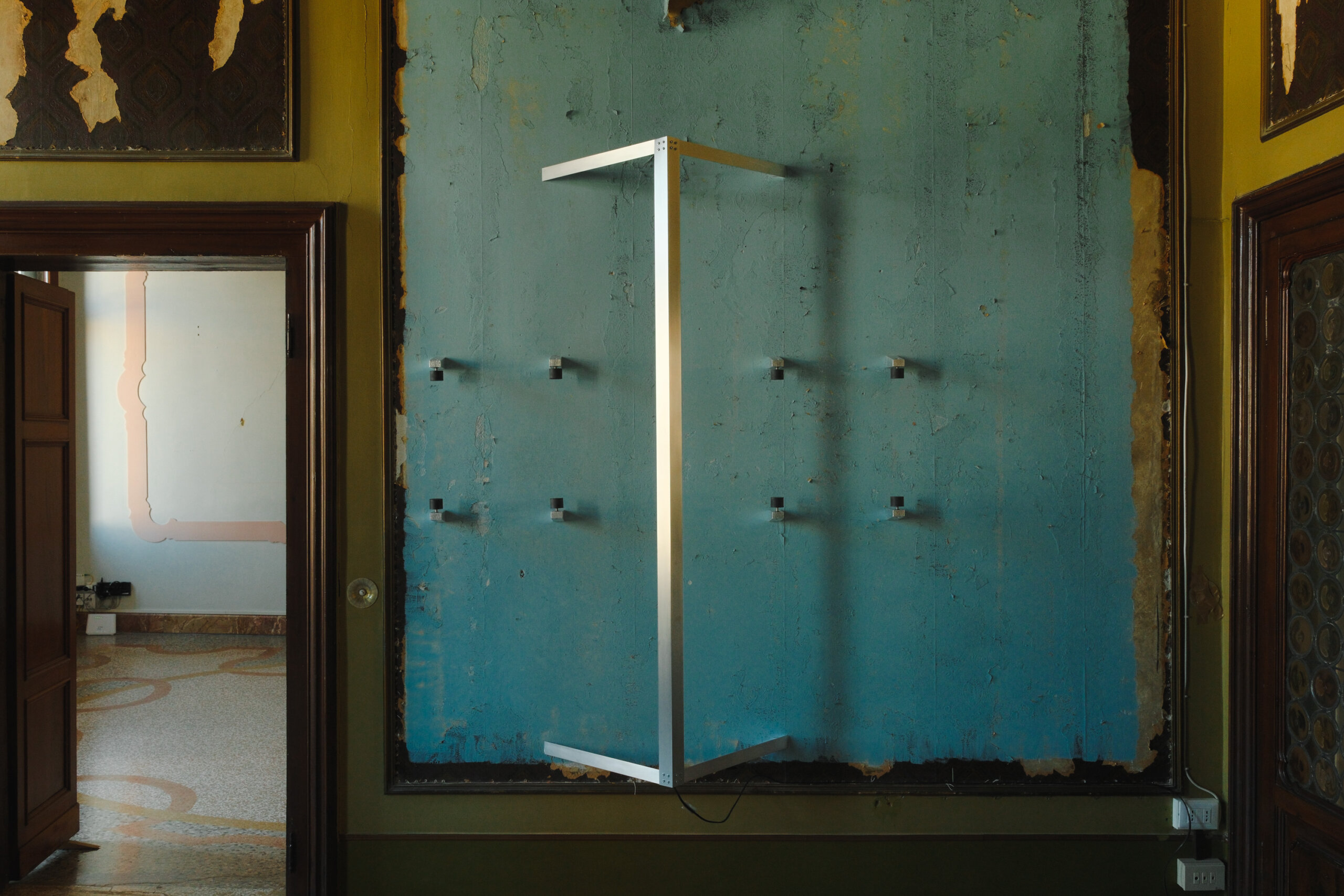
MS – How do you experience representing Italy at the Biennale?
CC – More than representing Italy, I feel I represent a lively but under-narrated scene of Italian artists. We have received warmth from colleagues. Our careers are the result of constant work, not sudden success.
MS – Do you feel something is changing in the Italian art scene?
CC – My generation is rich and varied, but there has been a gap in narration, not in artists. Today something is changing, also thanks to tools like the Italian Council. It is important that artists feel supported by a system.
MS – How do you imagine the audience’s encounter with the works?
CC – Everyone comes with their own experience. I find it strange when artists say they want the audience to “understand”. I work in a more unconscious flow. Works may resonate or not, but they often touch people without explanation. As Marina Tsvetaeva said, works are answers that provoke questions.


